
green reflective glass
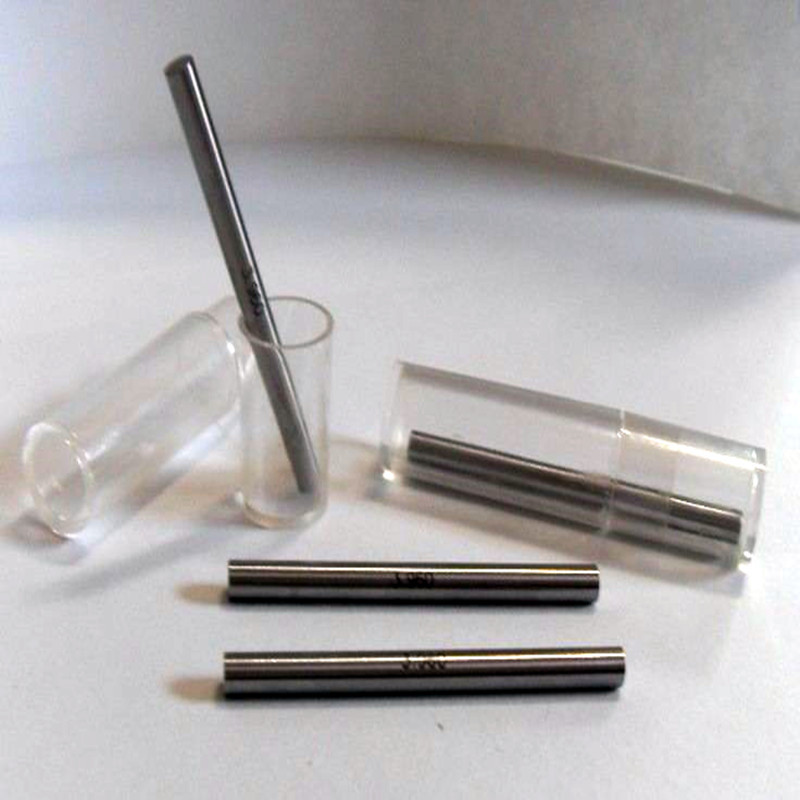
Understanding Plug Gauges Essential Tools for Precision Measurement In various engineering and manufacturing fields, precision measurement is crucial for ensuring the quality and functionality of components. One of the tools that play a vital role in this process is the plug gauge. This article delves into the concept of plug gauges, their construction, application, and significance in maintaining quality standards. What is a Plug Gauge? A plug gauge is a type of limit gauge used to check the dimensional tolerance of holes or other components. Specifically, it is designed to measure the diameter of a hole, ensuring that it meets specified tolerances. Unlike other measuring instruments, plug gauges are non-measuring tools that simply indicate whether a part is within acceptable size limits. Essentially, they serve a binary function a part either fits or it does not. Construction of Plug Gauges Plug gauges are typically cylindrical in shape and can be made from a variety of materials, including steel, carbide, or other resilient materials, depending on the application. They often come in two forms the Go and No-Go gauges. The Go gauge is designed to fit comfortably within the hole if the hole is within tolerance, while the No-Go gauge should not fit at all if the hole meets the specified requirements. The design allows for easy use on the shop floor, enabling operators to quickly assess the acceptability of parts without the need for elaborate measuring instruments. Quality assurance personnel often use plug gauges in conjunction with other measuring devices to validate the dimensional accuracy of components during the manufacturing process. Applications of Plug Gauges plug gauge Plug gauges find extensive applications across various industries, including automotive, aerospace, and manufacturing. They are essential in industries where precision is vital, such as in the production of gears, bearings, and valves. For instance, in the aerospace sector, where component reliability is paramount, plug gauges ensure that critical fittings and assemblies meet stringent regulations and standards. Any deviation from specified tolerances could lead to catastrophic failures; thus, the role of plug gauges in quality control cannot be overstated. In addition to checking hole sizes, plug gauges can also be used in the setup phase of machines, ensuring that all components fit correctly before operational testing begins. This preemptive approach can save companies time and resources by reducing the likelihood of defects in final products. Importance of Calibration and Maintenance While plug gauges are simple tools, their accuracy is dependent on proper calibration and maintenance. Over time, wear and tear can affect their dimensions, leading to inaccurate measurements. Regular inspection and calibration against certified standards are essential to ensure that plug gauges remain reliable. Users must also be aware of factors such as temperature and humidity that can affect the material properties of the gauges. Proper storage conditions, as well as adherence to usage guidelines, are crucial for maintaining their accuracy. Conclusion In summary, plug gauges are indispensable tools in the quality assurance process across multiple industries. Their straightforward design and function provide an efficient means of assessing component tolerances, thereby ensuring that products meet rigorous standards. As manufacturing processes become increasingly complex, the role of reliable measuring devices like plug gauges will continue to be vital in producing high-quality, precise components that meet the demands of modern industries. By understanding and effectively utilizing these tools, organizations can enhance their quality control measures, ultimately leading to better products and increased customer satisfaction.
about
green reflective glass
Understanding Internal Bore Gauges A Key Tool in Precision Measurement In the world of manufacturing and engineering, precision is paramount. Components must meet exact specifications to ensure proper fit and function, especially in industries such as automotive, aerospace, and machinery. One of the essential tools in achieving this accuracy is the internal bore gauge. This specialized instrument plays a critical role in measuring the internal diameters of cylindrical objects, such as boreholes and pipes, where traditional measurement methods may fall short. What is an Internal Bore Gauge? An internal bore gauge is designed specifically for measuring the inside dimensions of holes, tubes, and other cylindrical objects. Unlike external calipers that measure the outside diameter, bore gauges focus on internal features, providing precision measurements crucial for quality control and assessment. These gauges come in various forms, with some utilizing mechanical means and others relying on electronic technology to provide readouts. Types of Internal Bore Gauges There are primarily two types of internal bore gauges – mechanical and electronic . 1. Mechanical Bore Gauges These gauges often consist of a set of extending arms or probes that fit inside the bore. The user inserts the tool into the bore, expands the arms to contact the internal surface, and then removes it for measurement against a calibrated reference or measuring scale. Mechanical gauges are durable, straightforward, and usually do not require batteries or complex calibration. 2. Electronic Bore Gauges These modern devices use electronic sensors to measure dimensions automatically. They often come equipped with digital displays that provide instantaneous readings, making them faster and easier to use than their mechanical counterparts. Additionally, many electronic bore gauges can interface with computer systems for data collection and analysis, enhancing workflow efficiency in manufacturing environments. How to Use an Internal Bore Gauge Using an internal bore gauge involves several straightforward steps internal bore gauge 1. Preparation Ensure the gauge is clean and well-calibrated. Understand the specifications of the bore you intend to measure. 2. Insertion Carefully insert the gauge into the bore, avoiding any force that could potentially damage the measuring instrument or alter the bore’s dimensions. 3. Adjustment Expanding the arms (in mechanical gauges) or aligning the probes (in electronic gauges) to contact the internal walls of the bore is key. Ensure a snug fit without excessive pressure. 4. Reading the Measurement Once the gauge is positioned correctly, remove it from the bore and read the measurement from either the scale or digital display. 5. Verification For accuracy, it’s often recommended to take multiple measurements at different depths or positions to account for any imperfections in the bore. Importance of Internal Bore Gauges The importance of internal bore gauges cannot be overstated. They ensure that the internal diameters of a product are consistent with design specifications, which is critical for components that fit together in assemblies. An incorrect diameter can lead to mechanical failure, safety hazards, and increased costs due to reworking or replacing defective parts. Moreover, regular use of bore gauges can significantly reduce waste in manufacturing, as they help identify potential issues before the production process moves too far along. This proactive approach not only saves time but also enhances the overall quality of the products being produced. Conclusion In summary, internal bore gauges are indispensable tools in the field of precision measurement. Whether in mechanical or electronic form, these gauges provide essential insights into the internal dimensions of cylindrical objects, guiding manufacturers to achieve the precision needed for quality assurance. As industries continue to demand higher accuracy, the relevance and application of internal bore gauges will only continue to grow, making them vital components in the toolbox of engineers and quality control professionals alike.
-

High quality industrial productsagement

High quality industrial products
View Details -

Meet the diverse needs of customers

Meet the diverse needs of customers
View Details -

Strict quality control

Strict quality control
View Details -

Top raw materials

Top raw materials
View Details -

Trusted supplier

Trusted supplier
View Details
Our application


news and information
use of thread gauge
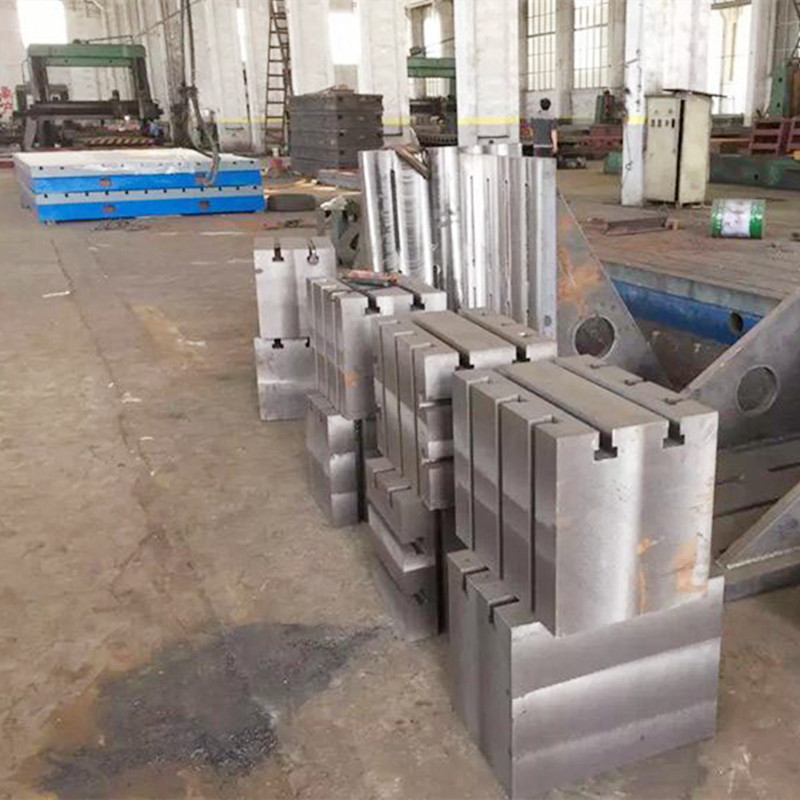
The Use of Thread Gauges Ensuring Precision in Manufacturing In the world of manufacturing and engin
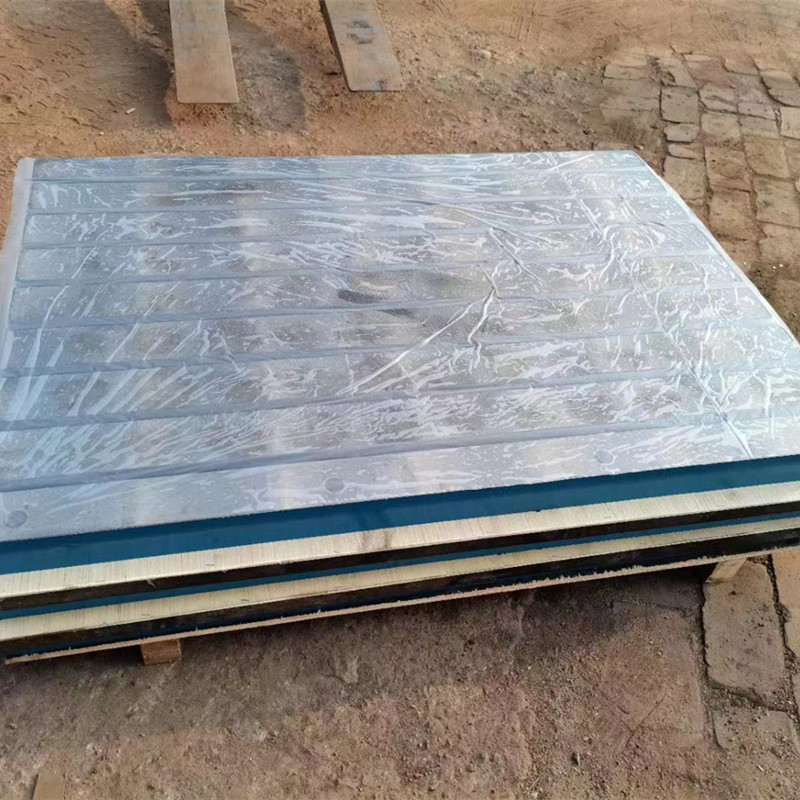
welding table price
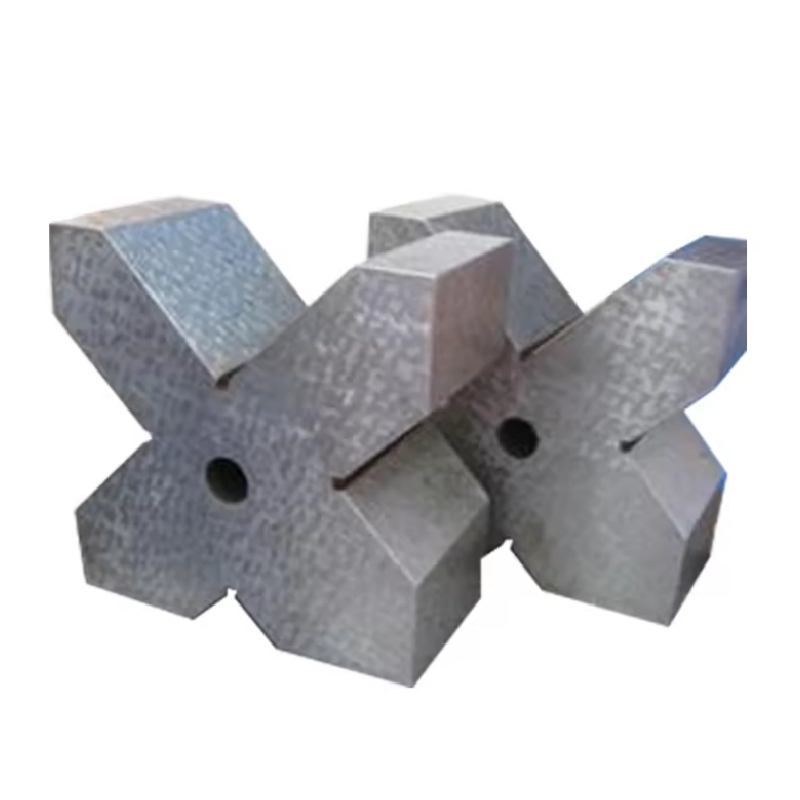
Understanding Welding Table Prices A Comprehensive Guide Welding is a vital process in various indus
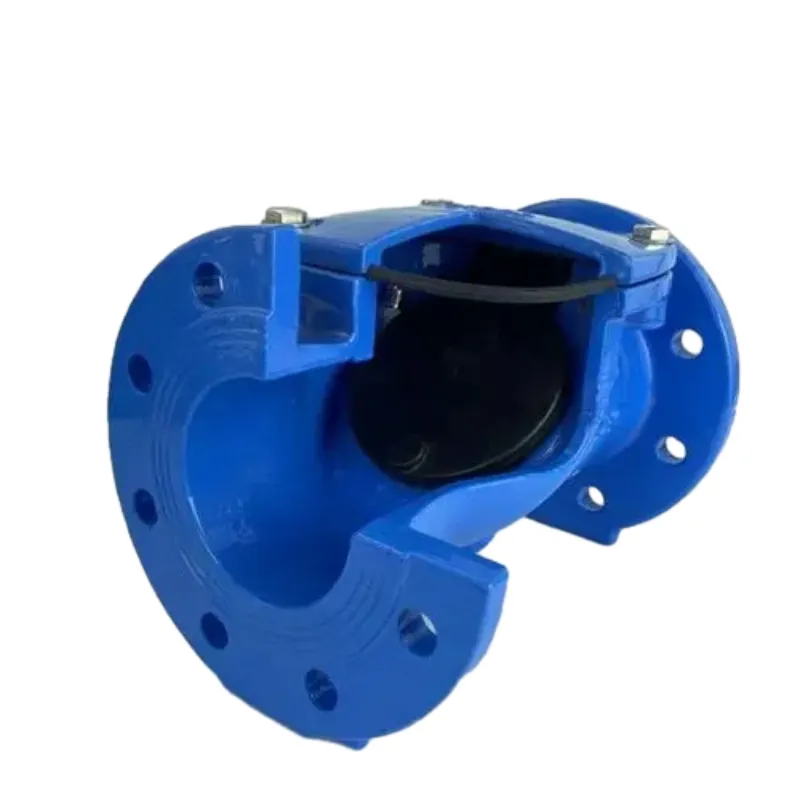
valve
Exploring the Fascinating World of Valves Valves are integral components used in a multitude of syst
 English